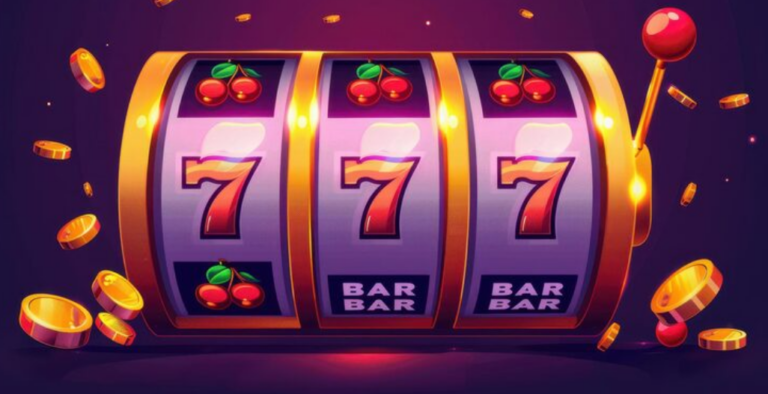
Slot entertainment has developed considerably from its mechanical beginnings. Early machines depended on physical reels, metal components, and a lever that initiated each spin. Their rules were simple, their symbols were limited, and their design possibilities were largely determined by the size of the cabinet.
Modern slots preserve the recognisable idea of spinning reels while using digital technology to create a more flexible experience. Software engineering, mathematical modelling, animation, audio production, and interface design now work together behind the screen. This combination has changed how slots operate, how they are presented, and how users access them.
Table of Contents
ToggleThe Transition from Mechanical to Digital
Traditional slot machines used gears, springs, and physical reels to produce and display results. Adding new symbols or changing the layout often required alterations to the machine itself.
Electronic systems gradually introduced buttons, lights, and more complex game structures. The later adoption of digital screens removed many physical restrictions. Virtual reels could contain a larger variety of symbols, while additional stages could use layouts that differed from the main game.
Digital development also made updates possible. Technical problems could be corrected through software, and interfaces could be adjusted without replacing an entire machine. This flexibility gave developers more freedom to experiment while improving long-term maintenance.
Code Provides the Foundation
Every modern tangan dewa slot is supported by code. Software manages controls, reel displays, balance information, rules, sound effects, animations, and transitions between different features.
A particularly important element is the random number generator, or RNG. It produces numerical values that correspond to positions on the virtual reels. When a user initiates a spin, the relevant values are converted into the symbols shown on the screen.
In properly regulated games, eligible results are generated independently. The outcome of one spin does not determine the next. Reel animations visually present the selected result, but the timing of a button press or an apparent pattern in previous spins cannot reliably predict what will happen.
Mathematics Shapes the Experience
Visual presentation may attract initial attention, but mathematical models define how a slot behaves. Probability calculations determine which symbol combinations are possible and how potential results are distributed over extended play.
Important characteristics include:
- Volatility, which describes the general pattern of potential outcomes
- Hit frequency, which indicates how often certain result conditions may occur
- Return-to-player percentage, which represents a theoretical long-term proportion
- Paytable values, which show how different combinations are treated
Lower-volatility slots generally offer smaller results more frequently. Higher-volatility games may produce less frequent but potentially larger results. These descriptions relate to long-term mathematical behaviour. They do not forecast the result of an individual spin or guarantee a particular session outcome.
Creative Design Builds the Theme
Digital technology allows developers to create slots around almost any visual theme. Games may draw inspiration from mythology, history, wildlife, fantasy, science fiction, travel, or mystery.
Producing a consistent theme requires several creative disciplines. Illustrators design symbols and characters, animators create movement, and interface specialists organise the controls. Writers may contribute descriptions or short narrative elements, while graphic designers coordinate colour, typography, lighting, and backgrounds.
Creativity must remain balanced with usability. Decorative features should not hide costs, rules, values, or account details. A well-designed interface makes the game visually distinctive without making essential information difficult to understand.
Animation and Audio Create Momentum
Animation gives digital slots a sense of movement beyond the spinning reels. Symbols can transform, expand, disappear, or interact with other visual elements. A feature may introduce a new background, character, or sequence to distinguish it from the main game.
Audio works alongside these effects. Background music establishes mood, while shorter sounds provide feedback when a control is selected or a feature begins. Careful synchronisation makes on-screen actions feel more responsive and connected.
Accessible design should give users control over these elements. Volume settings, mute functions, readable text, and visual alternatives for sound-based information make the interface usable in a broader range of situations.
Mobile Technology Expands Access
The increasing use of smartphones and tablets has influenced how modern slots are built. Many developers now follow a mobile-first approach, designing the initial version for smaller touchscreens before adapting it for desktop displays.
Mobile controls must be large enough to select comfortably. Text and symbols need to remain readable, while menus should use limited screen space efficiently. Responsive design allows interface elements to adjust automatically according to screen size and orientation.
Efficient code and compressed visual assets can reduce loading times without significantly affecting quality. These improvements help games operate across devices with different processing capabilities and network conditions.
Innovation Behind the Interface
Some technological developments are less visible but equally important. Automated testing can check controls, calculations, animations, and compatibility across multiple operating systems and screen sizes.
Artificial intelligence may assist with technical monitoring, translation, accessibility testing, and the identification of interface problems. Cloud systems can simplify updates and content management. Data analysis may also help developers locate confusing menus or performance issues, provided that user information is collected transparently and protected properly.
Virtual and augmented reality could eventually introduce more spatial forms of slot entertainment. Their wider use, however, will depend on affordability, comfort, accessibility, and whether they offer practical improvements over conventional screens.
Responsible Technology Matters
Modernisation should include tools that support informed and controlled participation. Digital platforms can provide age verification, deposit or spending limits, session reminders, transaction records, and self-exclusion options.
Clear rules and probability information are equally important. Advanced visuals must not imply that random outcomes can be influenced through timing, persistence, or previous results. Slot games carry financial risk and should never be viewed as a reliable way to generate income. Establishing firm time and spending limits helps keep participation within personal boundaries.
Conclusion
The evolution of slot entertainment reflects the growing connection between technology and play. Software controls performance, mathematics structures possible outcomes, and creative teams shape the themes, movement, and sound surrounding each interaction.
Future development will likely bring more adaptable interfaces and sophisticated visual experiences. However, meaningful innovation also requires reliability, accessibility, transparency, and responsible safeguards. These qualities determine whether technology improves the experience rather than simply making it more elaborate.