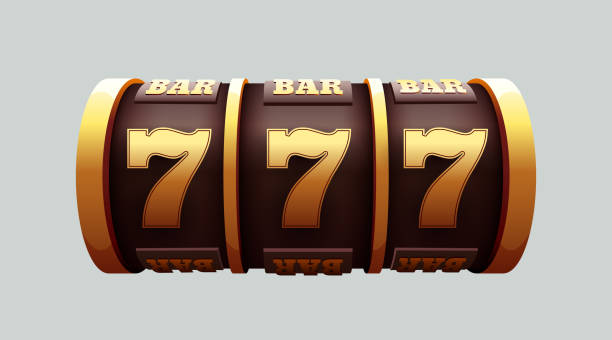
Slot gaming once depended on a simple formula: a few physical reels, a lever, and the anticipation of waiting for matching symbols to appear. That familiar experience has not disappeared, but it has been dramatically expanded by digital technology.
Modern reel-based games now combine animation, sound, interactive features, mobile design, and more flexible game structures to create entertainment that feels far removed from the mechanical machines of the past.
The biggest change is not simply that reels have moved onto screens. It is that game developers now have far more freedom to decide what happens before, during, and after every spin.
Table of Contents
ToggleReels Are No Longer Limited by Physical Machines
Traditional slot machines were designed around physical limitations. A machine could only hold a certain number of reels and symbols, while changing a game usually required significant mechanical work.
Digital technology removed many of those restrictions.
More Flexible Reel Structures
Modern games can use different reel sizes, changing layouts, expanding grids, and symbol arrangements that react to events during gameplay. Some titles may begin with a conventional layout before additional rows or positions appear.
Developers can also experiment with alternatives to traditional paylines. Winning combinations may be based on adjacent symbols, clusters, or large numbers of possible symbol arrangements.
Symbols Can Now Become Interactive Elements
Symbols once had a single purpose: they appeared on a reel and either contributed to a combination or did not.
Today, individual symbols may trigger animations, transform into different icons, expand across several positions, or interact with other elements on the screen. A symbol can therefore become part of a larger visual sequence rather than remaining a static image.
This approach helps modern reel games feel more dynamic while still keeping the basic spinning-reel concept recognizable.
Visual Design Has Become Part of the Experience
Graphics have become one of the most noticeable areas of reel innovation.
Modern games can feature detailed backgrounds, animated characters, cinematic transitions, lighting effects, and themed environments. Instead of looking like isolated reels placed inside a machine, the entire screen can operate as one connected visual space.
Themes Give Games Their Own Identity
Digital reel games now explore themes ranging from ancient civilizations and fantasy worlds to sports, mythology, travel, and futuristic technology.
A strong theme influences more than the symbols. It can shape the background artwork, music, animations, menus, and special sequences.
Mobile Gaming Has Changed Reel Design
One of the biggest shifts in gaming has been the move toward smartphones.
Developers can no longer assume that players are using large desktop displays. Games must work comfortably on smaller screens while remaining responsive and easy to understand.
Interfaces Are Becoming Cleaner
Mobile-friendly games generally use larger buttons, clearer menus, and simplified controls. Important information must remain visible without making the screen feel crowded.
Navigation also needs to work with touch controls rather than a mouse and keyboard.
Platforms that provide access through systems such as pg slot are part of a wider digital environment where users increasingly expect gaming services to function smoothly across smartphones and other connected devices.
The result is that reel design is now closely connected to broader user-experience principles found throughout mobile software.
Sound Adds Another Layer of Interaction
Visual improvements often receive the most attention, but audio has also evolved significantly.
Older machines were known for bells, clicks, and simple electronic sounds. Modern digital games can use complete soundtracks, environmental effects, character voices, and audio cues that react to what is happening on the reels.
Audio Helps Build Momentum
Sound can communicate events before a player fully processes what is happening visually.
A change in music may signal that a special sequence is approaching. A distinctive sound effect can highlight a symbol transformation or another important event.
When carefully designed, audio works alongside animation to make individual moments easier to notice and understand.
Bonus Features Extend the Traditional Spin
Another major innovation involves what happens beyond the main reel sequence.
Modern titles frequently include additional features such as bonus rounds, free-spin modes, symbol modifiers, expanding reels, collection systems, or interactive mini-events.
These features introduce temporary changes to the normal structure of the game.
Game States Can Change During Play
Instead of every spin looking identical, a game may temporarily change its background, reel arrangement, soundtrack, or symbol behavior.
This creates different stages within the same title.
From a design perspective, these changing states help developers create variety without abandoning the reel format that players already recognize.
Technology Allows Games to Run Across More Devices
Modern gaming platforms also benefit from improvements in web technology.
HTML5 and responsive web design have made it easier for games to operate across desktops, tablets, and smartphones without requiring completely separate versions.
Consistency Matters Across Screens
Players increasingly expect a familiar experience when moving between devices.
Controls, menus, animations, and general functionality therefore need to remain consistent even when screen sizes and hardware capabilities change.
Developers must balance visual ambition with performance, especially because mobile devices vary considerably in processing power, memory, and connection quality.
Reel Innovation Is Likely to Continue
The evolution of reel gaming shows how a simple entertainment format can adapt when technology removes old limitations.
Physical reels introduced the concept. Digital screens expanded what designers could display. Mobile devices changed how games were controlled, while improved graphics and audio made presentation increasingly important.
Future development will likely continue in the same direction. Better animation tools, faster devices, cloud technology, adaptive interfaces, and new forms of interaction can give developers even more room to experiment.
Yet the central idea remains surprisingly familiar.
Reels still spin, symbols still appear, and anticipation still sits at the center of the experience. What has changed is everything surrounding those reels. Modern technology has turned a once largely mechanical format into a flexible digital canvas, making reel innovation one of the most visible signs of how gaming entertainment continues to evolve.